This weekend, many people will put on costumes, paint their faces, or wear masks for seasonal celebrations. Most of us understand that when the weekend is over, the costume comes off and life returns to normal.
But what about the masks we wear the rest of the year?
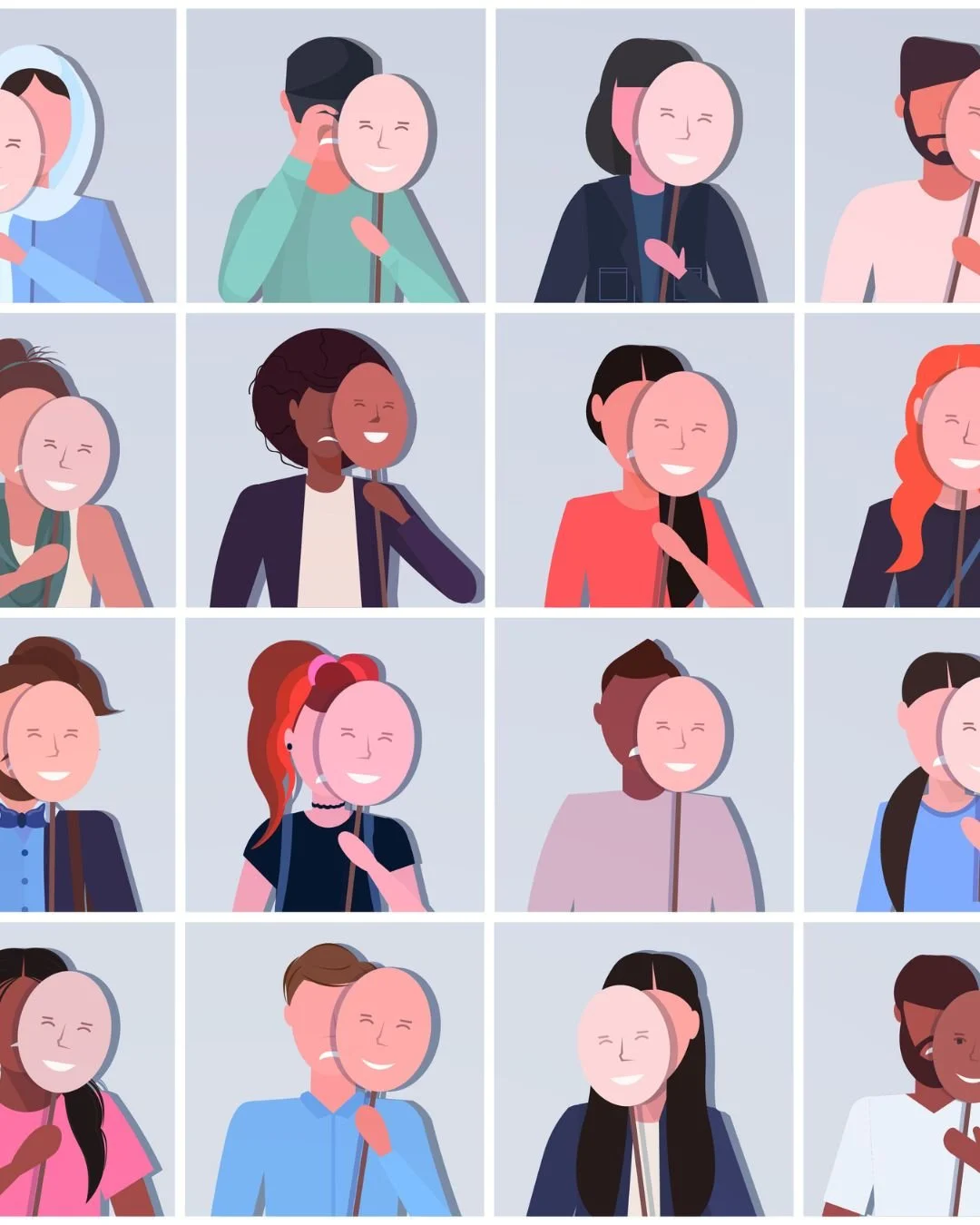
Not physical masks, but emotional ones. The mask that says, "I'm fine" when you're struggling. The mask that says, "I've got this" when you're overwhelmed. The version of yourself that laughs at the right moments, says the right things, and works hard to fit in, even when it's draining. Many of us wear these masks so often that we stop noticing they're there.
What Is Masking?
In mental health conversations, masking refers to hiding or suppressing thoughts, feelings, behaviors, or struggles in order to appear a certain way to others. Sometimes people mask because they don't want to worry friends or family. Sometimes they do it to avoid judgment or criticism. Other times, they've simply learned that certain parts of themselves feel safer to keep hidden.
For some people, masking means pretending they aren't anxious, overwhelmed, lonely, or burned out. For others, particularly many neurodivergent individuals, masking can involve changing behaviors, communication styles, interests, or reactions to fit social expectations. While the reasons may differ, the goal is often the same: to avoid standing out or to gain a sense of acceptance.
Most of us can probably relate to this on some level. Nearly everyone has experienced a moment where they felt pressure to present a version of themselves that seemed more acceptable, more confident, or more put together than they actually felt.
The Pressure to Be "Okay"
I remember a period in my late 20s when I answered "good" every time someone asked how I was doing. It didn't matter whether it was a coworker, friend, or family member. The answer was automatic.
The reality was that I wasn't doing all that well. I was stressed, stretched thin, and trying to navigate several big life decisions at once. But saying "good" felt easier than having a deeper conversation. At first it seemed harmless, but eventually it became a habit. The more I said it, the more people assumed everything was fine.
That's one of the challenges with masking. When we consistently show people a polished version of ourselves, they often have no reason to suspect we're struggling. Meanwhile, we're carrying the weight of those struggles alone because we've unintentionally convinced everyone around us that we don't need support.
Fitting In Can Be Exhausting
Your late 20s, 30s, and even early 40s can be an especially complicated stage of life. Some friends are getting married while others are ending relationships. Some people are climbing career ladders, while others are questioning whether they're in the right profession at all. Some are buying homes, raising children, caring for aging parents, or trying to manage all of the above simultaneously.
It can be easy to look around and feel like everyone else has things figured out. Social media often amplifies that feeling. We see engagement announcements, promotions, vacations, and milestones. What we don't see are the difficult conversations, sleepless nights, financial pressures, anxiety, self-doubt, and uncertainty that often exist behind the scenes.
As a result, many people start hiding the parts of their lives that don't seem to match the picture everyone else is posting. They become experts at appearing okay while privately feeling overwhelmed.
When Masking Becomes a Problem
It's important to recognize that not all masking is harmful. Most people naturally adjust their behavior depending on the situation. The way you act during a job interview is probably different from the way you act during a game night with close friends. That's normal.
The problem arises when masking becomes constant. When every interaction feels like a performance. When you're always monitoring what you say, how you behave, or how much of yourself you're allowed to reveal. Over time, that level of self-monitoring can become exhausting.
Many people describe feeling disconnected from themselves because they've spent so much energy maintaining an image. Instead of feeling accepted for who they are, they feel accepted for the version of themselves they've created for others.
What Authenticity Really Looks Like
When people hear the phrase "be yourself," it can sound unrealistic or oversimplified. Authenticity doesn't mean sharing every thought, feeling, or personal struggle with everyone you meet.
Instead, authenticity is about allowing yourself to be honest in the relationships that matter most. It means feeling comfortable enough to say, "I've been having a tough week," or "I'm feeling overwhelmed lately," instead of automatically insisting that everything is great.
Often, authenticity starts small. It can begin with one trusted friend, one family member, or one therapist. It grows when we experience being accepted without having to hide parts of ourselves. Those moments remind us that connection is built on honesty, not perfection.
Taking Off the Mask
The longer we wear a mask, the harder it can feel to take it off. We may worry about disappointing people, being judged, or changing how others see us. It's understandable to have those fears.
But something interesting tends to happen when we're honest about what we're experiencing. Other people often become more honest, too. Vulnerability creates space for connection. A simple admission that you're struggling can lead to a conversation where someone else admits they've been struggling as well.
The understanding and support we're looking for is often found on the other side of authenticity.
A Final Thought
This weekend, if you happen to see costumes, decorations, or people wearing masks, take a moment to think about the invisible masks many of us wear every day.
The mask of having it all together. The mask of being successful enough. The mask of always being happy. The mask of fitting into other people's expectations.
Sometimes those masks serve a purpose. They can help us get through difficult situations or protect parts of ourselves that don't yet feel safe to share. But they aren't meant to become permanent.
You don't have to tell everyone everything. You don't have to abandon your privacy. But you also don't have to spend your life performing a version of yourself that feels disconnected from who you really are.
The people who matter most aren't looking for perfection. They're looking for you.